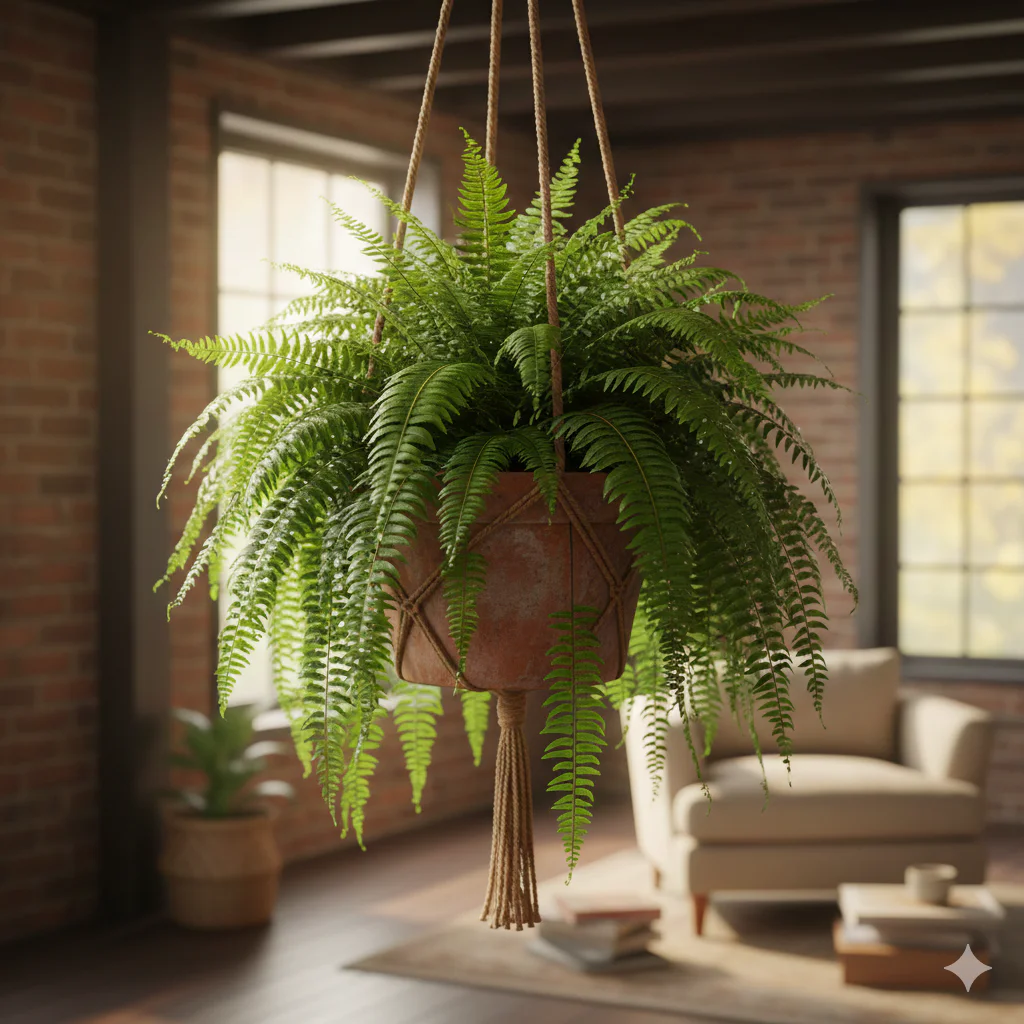
Fern
Welcome to the wonderful world of the fern! These plants are some of the oldest living things on our planet. They do not have flowers or seeds, but they bring a lush, green beauty to any room or garden. Whether you are a pro at gardening or just starting out, there is a perfect fern for you. Many people love them because they look like they belong in a fairy tale. In this guide, we will explore everything about these amazing plants, from the famous Boston fern to the unique staghorn fern. You will learn how to keep them happy, healthy, and growing strong in your own home.
Nature has a way of making us feel calm, and nothing does that better than a vibrant fern plant. These plants have been around for millions of years, even before the dinosaurs! Because they have survived for so long, they are very tough and adaptable. You might recognize them from movies like Fern Gully, where the forest is filled with thick, green leaves. Today, we use them to clean the air in our houses and add a touch of elegance to our porches. Let’s dive deep into the different types and discover why everyone is talking about these feathery green wonders.
Why Every Home Needs a Beautiful Fern
Adding a fern to your living space is like bringing a piece of the rainforest indoors. They are famous for their delicate fronds that flow like green waterfalls. One of the most popular choices is the Boston fern, which looks amazing in hanging baskets. These plants are great at making the air in your home feel fresh and clean. They love moisture and shade, making them perfect for bathrooms or kitchens. When you see a healthy plant with bright green leaves, it instantly boosts your mood and makes your home feel more welcoming and alive.
Beyond just looking pretty, a fern is a symbol of luck and new beginnings in many cultures. If you have ever read the classic book Where the Red Fern Grows, you know how much meaning these plants can hold. They represent endurance and the beauty of nature. Growing them is a fun hobby that teaches you how to be patient and observant. You get to watch as new leaves, called fiddleheads, slowly uncurl into big, beautiful branches. It is a slow and peaceful process that helps you connect with the natural world right from your couch.
Exploring Popular Fern Varieties for Your Home
There are so many types of these plants that it can be hard to choose just one. The asparagus fern is a top pick because it has tiny, needle-like leaves that look very soft. Even though it is called a fern, it is actually related to the lilies! Another cool choice is the foxtail fern, which has thick, upright plumes that look like a fox’s tail. If you want something that looks like art, the staghorn fern is the way to go. These actually grow on pieces of wood or bark instead of in a pot of dirt, making them a great conversation piece.
If you are looking for something delicate, the maidenhair fern is famous for its thin, black stems and tiny green leaves. It is very soft to the touch but needs a lot of water to stay happy. For those who have a garden outside, the ostrich fern is a giant that can grow very tall and wide. In the springtime, people even look for the fiddlehead fern to eat! These are the young, coiled ends of the plant that taste a bit like green beans. Each variety has its own personality and special needs, which makes collecting them a very exciting adventure.
Essential Care Tips for a Healthy Fern Plant
To keep your fern looking its best, you need to think about where it lives in nature. Most of them grow under big trees in damp forests. This means they do not like direct, hot sunlight. If you put your Boston fern right in a sunny window, its leaves might turn brown and crispy. Instead, give it bright but filtered light. Keeping the soil damp is also very important. They do not like to dry out completely, but they also do not want to go swimming in too much water. A little bit of misting with a spray bottle makes them feel like they are back in the humid woods.
Feeding your fern plant is the next step to becoming a plant expert. During the spring and summer, they appreciate a little bit of plant food once a month. This helps them grow those long, lush fronds we all love. If you notice the tips of the leaves turning yellow, it might be a sign that the air is too dry. You can fix this by placing the pot on a tray of pebbles and water. As the water evaporates, it creates a little cloud of humidity around the plant. This simple trick can make a huge difference in how happy your plant looks and feels.
Detailed Comparison Table of Popular Ferns
| Fern Name | Best Environment | Growth Habit | Fun Fact |
| Boston Fern | Indoor / Hanging | Bushy & Drifting | Cleans indoor air very well. |
| Asparagus Fern | Bright Light | Feathery & Airy | Not a true fern; it’s a lily! |
| Staghorn Fern | Mounted on Wood | Flat & Antler-like | Grows on trees in the wild. |
| Maidenhair Fern | High Humidity | Thin & Delicate | Known for its shiny black stems. |
| Java Fern | Underwater / Aquarium | Slow & Steady | Perfect for fish tanks and pets. |
| Ostrich Fern | Outdoor / Shade | Tall & V-Shaped | Produces edible fiddleheads. |
| Bird’s Nest Fern | Indoor / Low Light | Solid & Wavy Leaves | Looks like a nest in the center. |
Export to Sheets
The Magic of the Java Fern in Aquariums
Did you know that some ferns live entirely underwater? The java fern is a favorite for people who keep fish tanks. It is a very tough plant that fish do not like to eat, so it stays beautiful for a long time. You don’t even plant it in the sand! You just tie it to a rock or a piece of wood, and its roots will grab hold. This plant provides a great hiding spot for small fish and helps keep the water clean. It is one of the easiest ways to make an underwater world look like a lush green forest.
In the world of fish keeping, the java fern is a superstar because it is so easy to care for. It doesn’t need fancy lights or special carbon dioxide to grow. It just sits there and looks pretty while doing its job. This is a great example of how diverse the fern family really is. From the dry forests to the bottom of a lake, these plants have found a way to live almost everywhere. If you have a pet fish, adding one of these plants is a great way to make their home feel more natural and exciting.
Ferns in Pop Culture: From Movies to Actors
The word fern shows up in more places than just your garden. For example, many fans of television know the talented actress Fern Sutherland, who stars in popular mystery shows. There is also the hilarious comedian Fern Brady, who makes people laugh all over the world. Even in the world of anime, the character Frieren Fern has captured the hearts of many viewers with her magical journey. These names show how much we love the sound of this word and how it connects to growth and nature in our stories.
We also see these plants in big movies. We already mentioned Fern Gully, a movie that taught many kids about protecting the environment. Then there is the actor Cody Fern, known for his powerful roles in intense dramas. It is funny how a simple plant name can be found in so many different parts of our lives. Even history buffs might know about the Haworth fern, showing that these plants have been studied and loved for centuries. Whether it is on a screen or in a pot, the fern always seems to stand for something special and beautiful.
Outdoor Wonders: The Ostrich and Sword Fern
If you have a shady spot in your yard, the ostrich fern is a fantastic choice to fill the space. These plants grow in large clumps and can reach several feet in height. They get their name because their large fronds look just like the feathers of an ostrich. They love the cool, damp earth and will spread out to create a sea of green. In many parts of the United States, seeing these plants pop up is a sure sign that spring has finally arrived. They are very hardy and can survive cold winters easily.
Another outdoor favorite is the sword fern. These are very common in the Pacific Northwest, where they cover the forest floor like a thick carpet. They have long, leathery leaves that stay green all year round. These plants are very important for the environment because they provide a home for many small bugs and animals. Sometimes, you might even see a nurse fern. This isn’t a specific type of plant, but rather a fern that grows on a fallen “nurse log,” helping new life grow from the old wood. It is a beautiful cycle of nature.
The Mystery of the Red Fern
Many of us first heard the name of this plant because of the book Where the Red Fern Grows. This heart-wrenching story about a boy and his dogs has a very special ending. In the book, a red fern grows between the graves of the two dogs. According to legend, only an angel can plant a red fern, and it stays there forever. While there isn’t actually a plant that turns bright red like the one in the story, the idea of it has made people love these plants even more. It shows how they can represent love and loyalty.
This story teaches us that nature is full of wonder and mystery. Even though we can’t find a “red” version in our local nursery, the story makes us look at every fern plant with a bit more respect. It reminds us that plants are more than just decorations; they are part of our history and our emotions. When you plant a Boston fern or a maidenhair fern, you are participating in a tradition of gardening that goes back for generations. It is a way to create your own legend in your own backyard or living room.
How to Propagate Your Fern at Home
One of the coolest things about a fern is that you can make new ones for free! This is called propagation. Instead of seeds, they have tiny spots on the back of their leaves called spores. You can collect these spores and plant them to grow baby plants, but that takes a long time. An easier way is to divide the plant. If your Boston fern is getting too big for its pot, you can gently pull it apart into two or three pieces. Make sure each piece has some roots and leaves, then put them in new pots with fresh soil.
Sharing plants with friends is a great way to spread joy. You can give a small asparagus fern or a bird’s nest fern as a gift to someone who just moved into a new home. It is a living gift that keeps on growing. When you divide your plants, you are also helping the original plant stay healthy. It gives the roots more room to breathe and grow. Before you know it, you will have a whole house full of greenery! It is a fun and rewarding way to spend a weekend afternoon working with your hands.
Common Problems and How to Fix Them
Even though a fern is tough, sometimes it can run into trouble. If you see the leaves turning brown on the edges, your plant might be thirsty or the air might be too dry. Try moving it away from heaters or air conditioners. If the leaves are turning yellow, you might be giving it too much water. Always check the soil with your finger. If it feels wet, wait a few days before watering again. Most plants like to be damp like a wrung-out sponge, not soaking wet like a puddle.
Sometimes, tiny bugs like to hide under the leaves. If you see sticky spots or little white webs, your fern plant might have some unwanted visitors. You can usually fix this by giving the plant a gentle “shower” in the sink to wash the bugs away. You can also use a bit of soapy water to wipe the leaves clean. Keeping your plant clean and happy is the best way to prevent these problems. Remember, a healthy plant is a strong plant! With just a little bit of attention, your green friends will thrive for many years.
Conclusion: Embracing the Green Life
In conclusion, the fern is a truly remarkable plant that offers something for everyone. Whether you are mesmerized by the delicate beauty of the maidenhair fern or the rugged look of the staghorn fern, these plants bring a unique energy to any space. They remind us of the ancient forests and the simple beauty of nature. By learning how to care for them, you are not just growing a plant; you are nurturing a living piece of history. From the pages of Where the Red Fern Grows to the corners of your own home, these plants leave a lasting impression.
Now that you know all about the different types, from the java fern in the water to the ostrich fern in the garden, it is time to start your own collection. Gardening is a journey that brings peace and happiness. Start with an easy one like a Boston fern and see how it transforms your room. You will soon find that you want to fill every corner with feathery green fronds. Thank you for joining us on this green adventure, and may your home always be filled with the lush, vibrant life of a healthy plant!
Frequently Asked Questions (FAQs)
1. How often should I water my Boston fern? You should check your Boston fern every few days. It likes to stay consistently moist. If the top inch of soil feels dry, it is time for a drink. During hot summers, you might need to water it more often than in the winter.
2. Can an asparagus fern grow in low light? While the asparagus fern is tough, it actually prefers bright, indirect light. If it is in a spot that is too dark, it might lose its tiny leaves and look thin. A spot near a window with a sheer curtain is usually perfect.
3. Is the fiddlehead fern safe to eat? Yes, but only certain types! The ostrich fern produces the most common edible fiddleheads. They must be picked while they are still tightly coiled and should always be cooked thoroughly before eating. Never eat wild plants unless you are 100% sure what they are.
4. Why is my staghorn fern growing on wood instead of soil? In the wild, the staghorn fern is an “epiphyte,” which means it grows on other plants or trees. It gets its nutrients from the air and rain. Mounting it on wood mimics its natural home and keeps its roots from rotting in heavy soil.
5. How do I make my maidenhair fern stop drying out? The maidenhair fern loves humidity! Try placing it in a bathroom where it can enjoy the steam from the shower. You can also use a humidifier or a pebble tray to keep the air moist around its delicate leaves.
6. Can I grow a java fern in a regular pot with dirt? No, a java fern is an aquatic plant. If you bury its roots in soil or sand, it will rot and die. It needs to be attached to a rock or driftwood in an aquarium where the water can flow around its roots.
You May Also Like To Read: Davyomwez Meaning Explained
About the Author