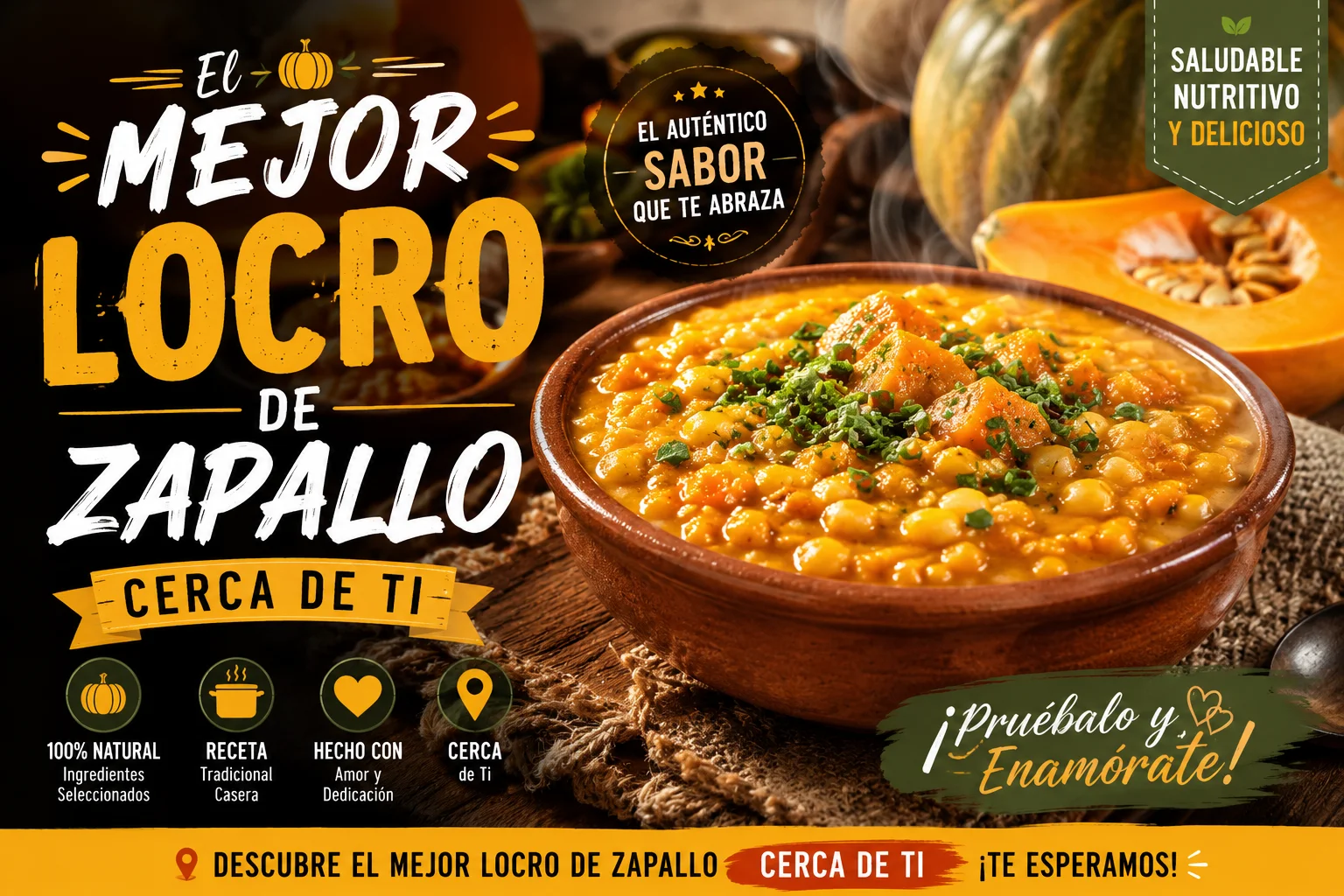
Best Locro De Zapallo Near Me
Where Is the Best Locro De Zapallo Near Me?
Few dishes carry the warmth and cultural depth of a slow-cooked Argentine stew. If you have been craving something rich, smoky, and genuinely satisfying, finding the best locro de zapallo near me is worth every bit of the search. This thick butternut squash stew has nourished communities across South America for centuries, and tasting the real thing — made with care, quality ingredients, and respect for tradition — is an experience that cheap imitations simply cannot replicate.
What Makes This Argentine Squash Stew Truly Authentic?
Locro de zapallo sits at the intersection of indigenous Andean agriculture and Spanish colonial cooking. Historical food research documents how rural farming communities developed this stew as a practical way to use abundant seasonal squash, turning humble ingredients into something deeply nourishing during harsh winters.
What separates an authentic bowl from a shortcut version is the cooking method. Chefs who honor the tradition simmer the stew gently over low heat for two to three hours. This patience allows the squash to break down slowly, releasing its natural starches and creating a thick, velvety broth — all without the need for artificial thickeners or shortcuts.
When you search for the best locro de zapallo near me, look specifically for kitchens that understand this. The slow-cook process is not optional; it is the entire foundation of the dish.
Core Ingredients That Define a Proper Bowl
A great stew starts long before it hits the pot. The quality of each ingredient directly determines the flavor in your bowl.
Zapallo Anco (Butternut Squash): The Argentine Ministry of Agriculture recognizes zapallo anco as the standard variety for this recipe. Its natural sweetness and vibrant orange flesh melt into the broth perfectly, providing both color and creamy body.
Panceta or Tocino (Smoked Bacon): Thick-cut, quality bacon adds the deep smokiness that defines the dish’s overall character. Thin or low-grade cuts simply do not deliver the same depth.
Maíz Blanco (White Corn): These starchy kernels stay intact during the long simmer, offering a satisfying chew that contrasts the soft squash base.
Chorizo Colorado (Mild Red Sausage): This sausage enriches the broth with a paprika-forward depth of flavor. A kitchen cutting corners will substitute a cheaper link — and you will taste the difference.
Legumbres (Dried Beans or Chickpeas): Added for heartiness and protein, these legumes transform the stew from a side dish into a complete, filling meal.
No single ingredient can be skipped without noticeably altering the dish. The best locro de zapallo near me will use all five without compromise.
How to Identify a High-Quality Argentine Restaurant in Your Area
Menus tell a story. A kitchen genuinely committed to Argentine comfort cooking will feature other handmade classics alongside its stew — think freshly pressed empanadas, carbonada, or house-made chimichurri. Daily production of empanadas by hand is a strong signal that the team values scratch cooking over frozen, pre-packaged convenience.
Beyond the menu, check recent reviews for phrases like “creamy texture,” “smoky broth,” or “just like Buenos Aires.” These are specific, sensory details that only come from eating the real thing. Generic praise like “good food” tells you very little.
The Texture and Temperature Standard
Texture is everything. Food science research on starch gelatinization confirms that root vegetables and winter squash only release their full thickening potential through a prolonged, low-heat simmer. A rushed stew is a watery stew.
The best bowl arrives piping hot, thick enough to coat the back of a spoon, and structured enough that the sausage and corn chunks remain distinct within the creamy squash base. If it pours like soup, it was not cooked long enough.
Regional Styles You May Encounter Locally
Argentine cuisine shifts noticeably by province. When looking for the best locro de zapallo near me, you may encounter two dominant regional approaches:
- Andean Northwest Style: Incorporates extra potatoes and spicy ají amarillo peppers, creating a bolder, more complex heat profile.
- Buenos Aires Style: Leans into the pure sweetness of the squash, using rendered pork fat for richness rather than spice. The result is smoother and more refined.
Both versions are rooted in authenticity. Trying both is a worthwhile culinary education.
Why Winter Is the Prime Season to Order This Dish
Butternut squash peaks in flavor during fall and winter months. During colder seasons, Argentine restaurants tend to prioritize their heartiest stews, meaning the kitchen is making fresh batches more frequently and with the most flavorful seasonal produce.
Eating this dish on a cold evening — when the fat, smoke, and warm spices feel necessary rather than indulgent — is the experience this recipe was built for. Timing your search with the season makes a genuine difference in quality.
Perfect Pairings for Your Bowl
This stew deserves thoughtful accompaniments:
- Bread: A crusty, artisan roll for soaking up the last of the broth is traditional and essential.
- White Wine: A crisp Torrontés from Salta province cuts cleanly through the richness of the pork fat.
- Red Wine: A lighter-bodied Malbec complements the smoky, earthy base without overwhelming it.
- Chimichurri: A spoonful of fresh chimichurri stirred into the bowl adds acidity and brightness that balances the dish beautifully.
Dine-In vs. Takeout: Which Is Better?
| Feature | Dine-In | Takeout |
| Texture | Ideal — served immediately from the pot | Good — broth thickens further during transit |
| Temperature | Piping hot, no reheating needed | Requires brief reheating at home |
| Bread | Warm and crisp | Request it separately to avoid sogginess |
| Atmosphere | Immersive, lively, culturally authentic | Comfortable, relaxed, home setting |
| Customization | Easy to request toppings in the moment | Order extra condiments in advance |
Takeout tip: Always ask for bread on the side. Broth-soaked bread does not travel well.
Traditional Toppings Worth Requesting
The best locro de zapallo near me will have traditional condiments available on request. Do not hesitate to ask for:
- Cebolla Picada — finely chopped raw white onion for sharpness and crunch
- Queso Rallado — finely grated hard cheese that melts slightly into the hot broth
- Cebollita de Verdeo — sliced green onions for a fresh, mild contrast to the smoky base
These finishing touches are what separate a casual bowl from a memorable one.
Why Choosing Local Argentine Restaurants Matters
Every time you seek out the best locro de zapallo near me, you are making a choice that extends beyond your meal. Immigrant chefs and family-owned Argentine kitchens preserve culinary traditions that cannot survive without community support. Many of these recipes were passed down through generations and brought to new cities with great care.
Spending your dining dollars at these establishments encourages them to maintain ingredient quality, cooking techniques, and menu authenticity rather than cutting corners for volume.
Frequently Asked Questions
What exactly is locro de zapallo?
Locro de zapallo is a slow-cooked Argentine stew built on a base of butternut squash, white corn, dried beans, and pork. The squash breaks down during the long simmer, creating a naturally thick, creamy broth around chunks of smoked sausage and corn. It is one of the most recognizable comfort dishes in South American cuisine.
How much does a bowl typically cost?
Expect to pay between $15 and $25 at a quality Argentine restaurant. Restaurants using premium chorizo, fresh squash, and traditional methods may price slightly higher — but the portion size is consistently generous and the value is strong.
Are vegetarian versions available?
Many modern Argentine restaurants now offer excellent plant-based adaptations. Chefs replace the pork with smoked paprika, cumin, and hearty mushrooms to recreate the smoky depth. The butternut squash and corn carry the dish’s core texture regardless of the protein.
Is locro de zapallo gluten-free?
The base stew — squash, corn, beans, and meat — contains no gluten. To keep the meal gluten-free, skip the side bread and confirm with the kitchen that no flour was used as a thickener in the broth.
How long does it take to prepare from scratch?
A properly made locro de zapallo takes two to three hours of active simmering. This is exactly why finding a great local restaurant matters — no 30-minute version at home will deliver the same depth of flavor.
What does it taste like?
Expect a rich, layered flavor profile: earthy and sweet from the squash, smoky and savory from the bacon and chorizo, with a pleasant chew from the white corn. Each bite combines multiple textures and flavors in a way that feels genuinely warming.
Final Thought
Authentic Argentine cooking rewards curiosity. Check your local reviews, ask about the ingredients, and do not settle for a watery bowl. Share this guide with anyone who loves discovering food with real cultural roots — and when you find a great kitchen, leave a review. It helps the next person searching for the best locro de zapallo near me find exactly what they are looking for.
Author: Culinary writer with over 10 years of firsthand experience exploring South American food traditions across Argentina, Chile, and regional diaspora communities in North America.
About the Author

